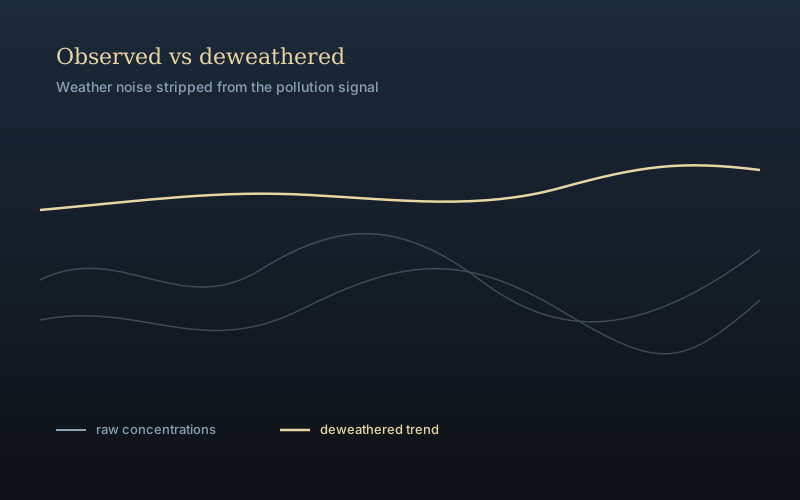
Meteorology strongly shapes measured air-pollutant concentrations. A calmer, colder week can look like a pollution spike; a windy one can look like an improvement — even when emissions have not changed.
Air pollution deweathering (meteorological normalisation) estimates and removes that weather-driven variation, so remaining trends are closer to the underlying emission and policy signal.
This project sits in Lucence’s line of environmental-data work: taking noisy observational series and making the part that matters easier to act on.